Resins for foundry formulations

Foundry

Resins for foundry moulds, cores and moulding mixtures

Hydrocarbon and indene-coumarone resins for moulding mixtures, cores and binder systems in foundry production.

Moulding mixturesCores and bindersControl of casting
Basic criterioncasting processMore than resin documentation
For indene-coumarone resinLustrous carbon ≥50%Catalogue indicator
CandidatesPiroplast-2K + indene-coumarone resinSelection by system
Final inspectionPilot castingSurface quality and defects

Role in formulation

Why foundry qualification ends with a pilot casting

Mixture formability and catalogue values do not replace testing in contact with molten metal.

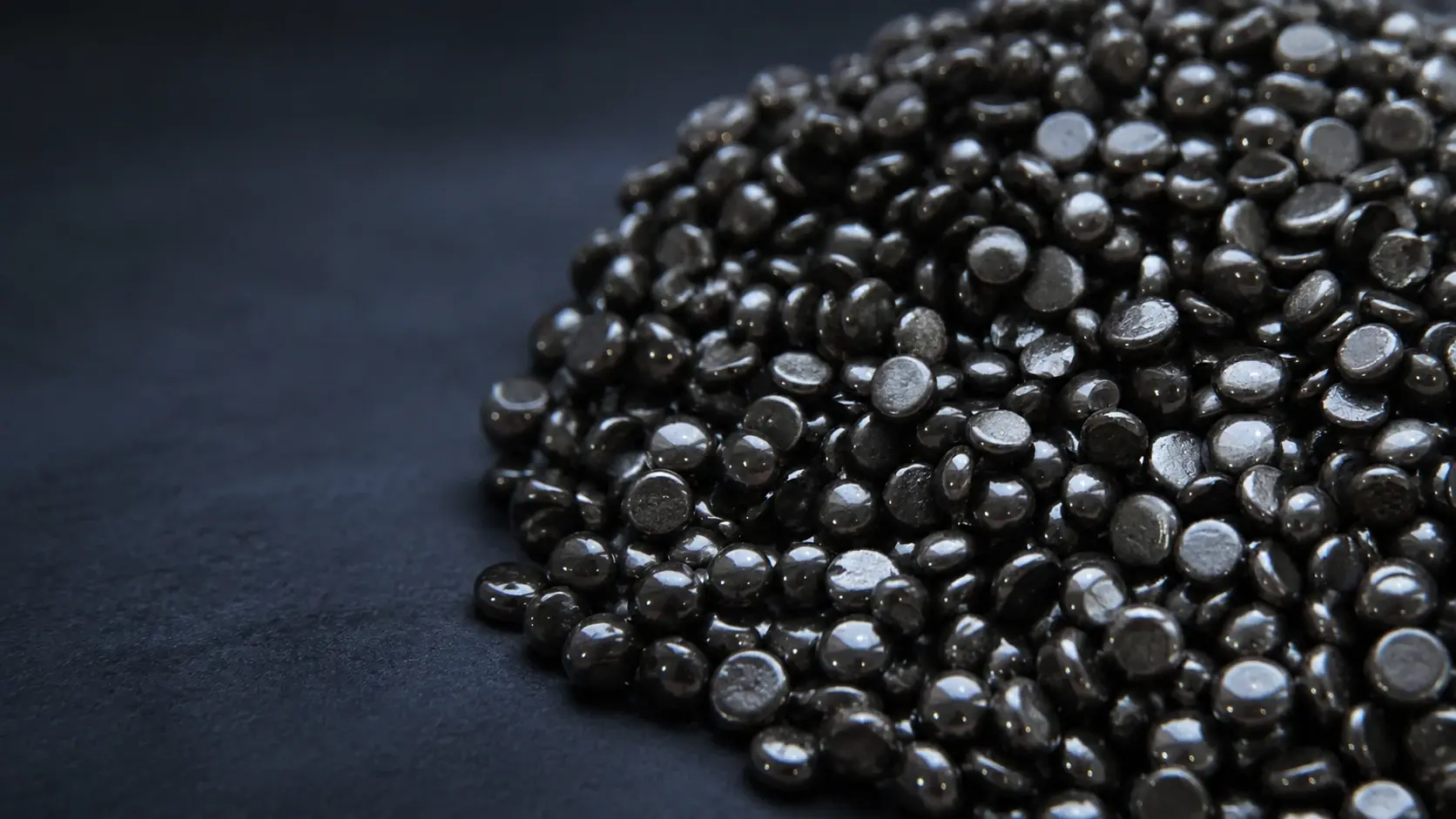
Raw materials for direction: Foundry production
Illustration of raw materials. The actual appearance and values are confirmed by the certificate of analysis.

Foundry additives and binders

The resin is selected as an additive to the moulding mixture or a component of the binder composition. These functions require different tests. For carbon-forming additives, the formation of lustrous carbon, gas evolution and casting quality are important; for the binder component, compatibility and strength of the mixture are important.

  • specify the alloy, mass and geometry of casting;
  • fix sand, binder and active additive;
  • We describe preparation, moulding and drying;
  • Identify the defects that the test should track.

Production applications

Resin test points

For foundries and manufacturers of moulding additives and binders.

01 · Forms

Moulding mixtures

Resin is introduced into the control system without simultaneous change of sand and other components.

In the test: mixture preparation, formability, strength and collapsibility
02 · Cores

Core compositions

Evaluate the manufacture, storage and behaviour of the core in a particular process.

In the test: strength, gas formation, knockout and dimensional stability
03 · Surface

Burn-on and casting quality

The result is associated with the pouring mode, the coating of the mold and the composition of the mixture.

In the test: burn-on, roughness, surface defects and cleaning
04 · Binders

Development of a foundry binder

The binder manufacturer compares resins on compatibility, dosage and stability of the semi-finished product.

In the test: solubility, viscosity, storage and properties of the finished mixture

Monitoring

Control of casting mixture and casting

The list is supplemented by methods of specific production, alloying and moulding process.

PhaseWhat to measureComparison condition
Raw materialsSand, binder, additives, humiditySame batches for comparison
MixtureMixing, formability, collapsibilityAt a fixed dosage
StrengthAfter manufacture and storageMould and core conditions
Thermal behaviourGas formation and pouring behaviourDuring an actual metal pour
CastingBurn-on, roughness and other defectsWith reference geometry
Shakeout and cleaningShakeout and labour requiredAfter identical cooling

The lustrous carbon index is useful for the initial selection, but is not an independent guarantee of the absence of burn-on or defects.

Qualification

How to qualify resin in the foundry process

Start with a small volume of mixture and a pre-selected control casting.

01

Process details

Alloy, moulding system, sand, binder and current additive.

02

Compare values

Batch CoA, softening and significant foundry parameters.

03

Make a mixture

Compare technology and strength with unchanged control.

04

Run a trial pour

Evaluate defects, surface, knockout and repeatability.

Boundaries of application

When the CoA is insufficient for foundry use

  • If you do not know the type of mould, binder, sand and metal casting.
  • If you want to guarantee the absence of burn-on only for lustrous carbon.
  • If the trial formulation changes several components at once and has no control.
  • If it is impossible to conduct a test casting and evaluate the surface of the finished casting.

Request and delivery

What to send for accurate selection

A technical brief lets us discuss a suitable batch and test programme, not an abstract raw-material price.

Technical brief

  1. Alloy, mass and critical casting geometry.
  2. A moulding or core system.
  3. Current resin, binder and dosage.
  4. Temperature and major defects of the process.
  5. Volume, documents and region.

Commercial conditions

Sample
Agreed after review of the technical brief
Documents
Batch CoA and shipping documents
Packaging
Confirmed for the available batch before invoicing
Delivery
Across Russia and the CIS; lead time and cost are calculated individually

Documentation, sample and price

Select resin for a foundry mix

Send the process description and control defects. We will offer grades and a certificate of analysis for laboratory mixture and trial pouring.

Send a technical request
Selection and calculation of deliverySo the quotation refers to the product being tested and the available batch.

Related tasks

Go to a close technology cluster or go back to the overall application map.

FAQ

Technical and purchasing questions

Purpose of resins, selection criteria and preparation of samples.

What resins are used in foundry mixtures?

Consider Piroplast-2K and indene-coumarone resin. First, the function is determined: additive to the moulding mixture or component of the binder composition; then select the grade for the process.

What does lustrous carbon mean at least 50%?

Lustrous carbon is formed during the thermal decomposition of the resin and affects the casting surface. The catalogue value ≥50% requires clarification of the method and calculation base. This is not the proportion of finished carbon filler in the resin.

Can the absence of burn-on be predicted from the documentation?

No. Burn-on depends on the composition of the mixture, the coating of the mold, the metal, the temperature and the pouring process.

How to choose the softening point?

It is coordinated with the technology of binder preparation and mixing, then confirmed by the actual certificate of analysis for the batch.

Do I need a trial pour?

Yes. Only a pilot casting reveals surface quality, defects, shakeout behaviour and formulation performance under actual production conditions.

What to send for selection?

Alloy, mould or core type, sand, binder, current resin, process conditions, defects, volume and region.