Resins for rubber compounds and products

Rubber compounds

Resins for rubber compounds and tyres

Hydrocarbon and indene-coumarone resins for tyre and rubber formulations. Grade and dosage must be verified in the actual compound.

Mixing rubberrubber products and tyresVulcanisation test
MatrixRubber + fillersSelection by full mix
Candidates4 productsPiroplast-2K and indene-coumarone resin
ColourFor dark mixturesEspecially indene-coumarone resin and 60-130
DecisionVulcanisation.Not just by mixing.

Role in formulation

How to evaluate resin in a rubber mixture

Addition and tack of the uncured compound are only part of the assessment, but also vulcanisation, mechanics and product stability.

Raw materials for rubber compounds and products
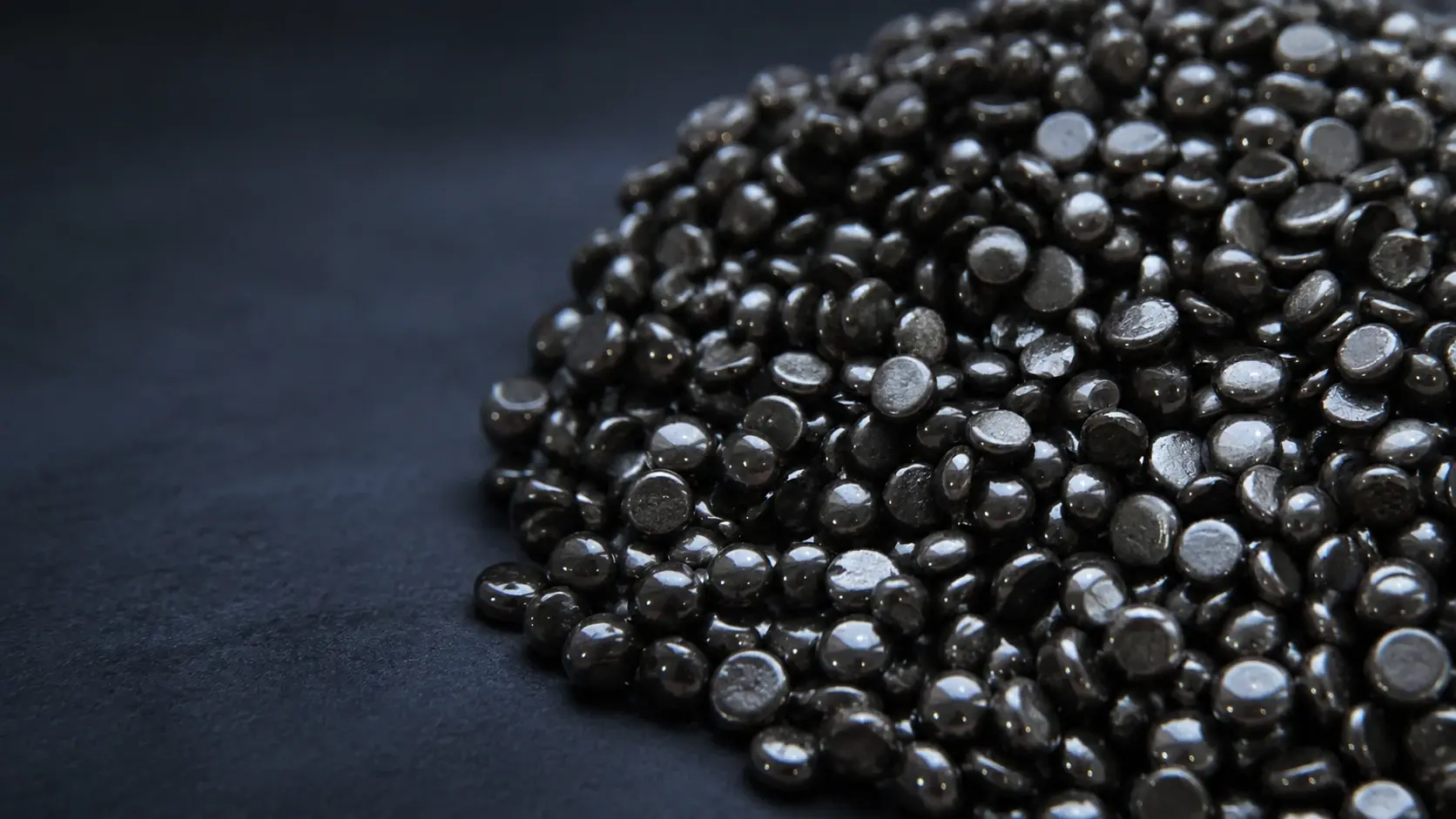
Illustration of raw materials. The actual appearance and values are confirmed by the certificate of analysis.

Processing resin for own compounding

Piroplast-2K and indene-coumarone resin are used in rubber and tire formulations as softening or modifying components. The effect depends on the type of rubber, carbon black and fillers, plasticizers, mixing mode and target product, so the dosage is always determined by a comparative test.

  • specify the rubber type and intended use of the finished product;
  • record the current processing resin and dosage;
  • compare softening with the mixing mode;
  • Evaluate the raw mixture, vulcanisation and product.
Production applications

Resin test points

The main addressee is tire and rubber enterprises with their own laboratory and mixing equipment.

01 · Mixing

Rubber compound processing

The grade is checked by the introduction, distribution and behavior of the mixture on the equipment.

In the test: mixing time, temperature, dispersion, discharge and stability
02 · Workpiece

Tack and forming

Evaluate the processing tack, shape of the workpiece and shape retention before vulcanisation.

In the test: stickiness, shrinkage, calandration or extrusion
03 · rubber products

Technical rubber products

Dosage is associated with the required hardness, strength, deformation and operation of the product.

In the test: rheometry, mechanics, aging and appearance
04 · Tyres

Tire compounds

Indene-coumarone and hydrocarbon resins are qualified for the specific tyre component and plant formulation.

In the test: processing, vulcanisation and layer integrity and target properties

Primary list

Resins to screen for rubber compounds

The softening range and colour are chosen together with the technologist; the same grade is not universal for all rubbers.

Monitoring

Comparison programme for rubber compounds

The control and trial should differ only in the test resin and specified dosage.

PhaseWhat to measureComparison condition
Mixing.Temperature, time, energy consumptionOn the same equipment
Raw mixtureStickiness, plasticity, storageInitially and after conditioning
FormationExtrusion, calandration, shrinkageYour trial.
VulcanisationRheometric properties and cure conditionsAgainst the control
MechanicsHardness, strength, elongationOn the plant’s standard specimens
OperationAgeing and special propertiesPurpose of the product

It is impossible to transfer the dosage from someone else's formulation. First, determine the function of the current resin and the criteria that cannot be worsened.

Qualification

How to test resin in a rubber mixture

Testing must cover the full process from mixer to finished vulcanisate.

01

Record the baseline

Record the rubber, fillers, current resin, dosage and process conditions.

02

Select candidates

Check the softening, colour and documentation for the available lots.

03

Mix the series

Run a control and several dosages while keeping all other factors unchanged.

04

Test the product

Compare vulcanisation, mechanical properties, ageing and pilot production.

Boundaries of application

When a resin name is not enough

  • If the type of rubber, fillers and function of the active product are unknown.
  • If you want to transfer someone else's dosage without laboratory compounding.
  • For light or coloured products, where the dark colour of the resin is unacceptable.
  • If only mixing convenience is evaluated, without testing the vulcanisate and finished product.

Request and delivery

What to send for accurate selection

A technical brief lets us discuss a suitable batch and test programme, not an abstract raw-material price.

Technical brief

  1. Type of rubber and purpose of the product.
  2. Current resin, dosage and its TDS or documentation.
  3. Fillers, plasticizers and mixing mode.
  4. Criteria of raw mixture, vulcanisation and mechanics.
  5. Volume, batch and region.

Commercial conditions

Sample
Agreed after review of the technical brief
Documents
Batch CoA and shipping documents
Packaging
Confirmed for the available batch before invoicing
Delivery
Across Russia and the CIS; lead time and cost are calculated individually

Documentation, sample and price

Select a resin for the rubber compound

Send the type of rubber, current product and vulcanizate criteria. Let us propose a grade and batch for comparative mixing.

Send a technical request
Selection and calculation of deliverySo the quotation refers to the product being tested and the available batch.

Related tasks

Go to a close technology cluster or go back to the overall application map.

FAQ

Technical and purchasing questions

Purpose of resins, selection criteria and preparation of samples.

What resins are used in rubber compounds?

For screening, consider Piroplast-2K 10–30, 30–60, 60–130 and indene-coumarone resin. Selection depends on the rubber, process and finished-product requirements.

What is the function of resin?

Resin is introduced to change the processing tack and recyclability of the mixture. The effect on viscosity, vulcanisation and vulcanisation properties is checked at the selected dosage.

Is indene-coumarone resin suitable for tires?

Yes, indene-coumarone resin is used in tire mixtures. The grade and dosage are selected for a specific tire element and checked according to the manufacturer's program.

Can one dosage be used for different rubbers?

No. Compatibility and effect vary with the polymer matrix, fillers and mixing mode.

Which resin properties are needed before testing?

At minimum: actual softening point, colour and batch CoA; the plant technologist sets any additional criteria.

What should I send for selection?

Rubber type, product, current product and dosage, mixing regime, vulcanizate criteria, volume and region.