Hydrocarbon resin for alkyd coatings

Raw materials for alkyd coatings

Hydrocarbon resins for alkyd paints, enamels and primers

Grade selection for alkyd enamels, primers, varnishes and drying oils, with attention to compatibility, colour, drying and film properties.

Alkyd enamelPrimers and drying oilsFormulation-based selection
Main materialsEnamels and primersAlso varnishes and drying oils
Key controlsCompatibilityWith alkyd resin and solvent
Colour borderFinished coatingNot just raw materials.
Addition decisionAfter the test.No promise of a 1-1 replacement

Role in formulation

Resin function in an alkyd formulation

In industrial coatings, resin is not evaluated separately, but in conjunction with alkyd resin, solvent, pigment part, siccatives and drying regime.

Raw materials for direction: Raw materials for alkyd coatings
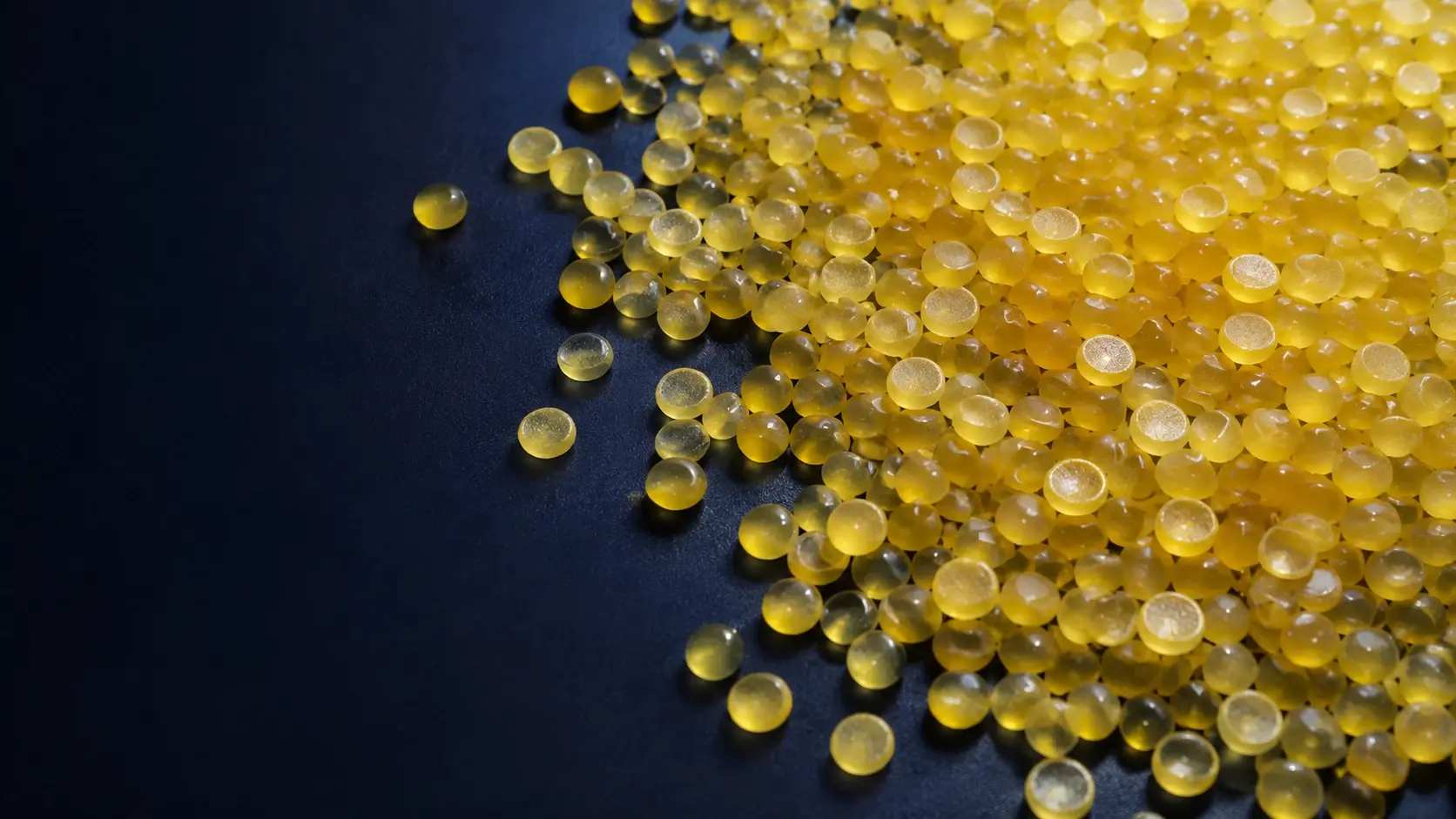
Illustration of raw materials. The actual appearance and values are confirmed by the certificate of analysis.

Alkyd binder modification

Piroplast-2K is used as a component of a modified binder. In the synthesis of alkyd, reducing the proportion of oil or rosin requires taking into account their chemical function and recalculating the composition. When mixed with the finished alkyd resin, compatibility, non-volatile content, drying and film properties are checked.

  • document the control formulation and the role of substituted raw materials;
  • set the permissible colour of the finished enamel or primer;
  • Verify the softening point and the solvent system;
  • Assess economics after confirming the working dosage.
Production applications

Resin test points

For manufacturers of enamels, primers, varnishes and composite drying oils.

01 · Enamels

Alkyd industrial enamel

The resin is tested in opaque pigmented systems, where its effect on the original colour of the binder is allowed.

Test: solubility, viscosity, levelling, drying, gloss, hardness and adhesion
02 · Primers

Anti-corrosion and general industrial primers

The grade is evaluated in the full composition of the primer with pigments, fillers and an operating solvent system.

In the test: stability, application, drying, adhesion and resistance of the coating
03 · Drying oils

Formulated drying oils and intermediates

Selection is based on compatibility with the oil and alkyd phases, blend clarity and preparation conditions.

In the test: compatibility, colour, drying time, film formation and storage
04 · Varnishes

Technical lacquers and binders

Only systems in which the actual colour and characteristic odour of the hydrocarbon resin are allowed are considered.

In the test: transparency of the mixture, colour, drying, hardness and appearance of the film

Primary list

What products to put in the primary laboratory screening

The short list depends on the permissible colour, form of delivery and equipment. The final mark is determined by the test.

Monitoring

Test matrix for alkyd paint or enamel

Compare the control and test formulations under identical preparation, application and ageing conditions.

PhaseWhat to measureComparison condition
CompatibilitySolution uniformity and absence of precipitationImmediately after preparation and after storage
TechnologyViscosity, filtration, filling, applicationAt the same non-volatile content and temperature
DryingTack-free, practical and full dryingAccording to the rules of your material
FilmGloss, hardness, adhesion, elasticityAfter the same ageing of samples
ColourEffect of raw material on colour and hiding powerOn the required pigmentation
StorageChange in viscosity, precipitation, stratificationIn an accelerated and regular test

If the non-volatile content or solvent changes, this is a different formulation. Set a material balance before comparing price and properties.

Qualification

How to qualify resin in the current coating

A structured test reduces the risk of losing a production batch.

01

Describe control

Send the alkyd type, current modifier, solvents and critical properties.

02

Choose a batch

Compare the colour, softening and documented properties of the available resin.

03

Make a series

Test several dosages against an unchanged control formulation.

04

Confirm the scale

After laboratory testing, run a pilot batch and establish incoming batch inspection.

Boundaries of application

When hydrocarbon resin is not the first choice

  • For colourless varnishes and very light decorative enamels with a rigid colour limit.
  • If the finished material must be practically odorless without a separate check after drying.
  • If a guaranteed replacement of the rosin, oil or other resin is required one to one.
  • If the company is unable to perform a laboratory test of compatibility and coating properties.

Request and delivery

What to send for accurate selection

A technical brief lets us discuss a suitable batch and test programme, not an abstract raw-material price.

Technical brief

  1. Type of coating, purpose and colour of the finished material.
  2. Alkyd resin type, current modifier and document thereof.
  3. Solvents, non-volatile content and loading order.
  4. Criteria: drying, gloss, adhesion, hardness and storage stability.
  5. Planned volume and region of delivery.

Commercial conditions

Sample
Agreed after review of the technical brief
Documents
Batch CoA and shipping documents
Packaging
Confirmed for the available batch before invoicing
Delivery
Across Russia and the CIS; lead time and cost are calculated individually

Documentation, sample and price

Choose a resin for alkyd formulation

Send the type of coating, current product and acceptance criteria. We'll select the grade, check the available batch and arrange a sample.

Send a technical request
Selection and calculation of deliverySo the quotation refers to the product being tested and the available batch.

Related tasks

Go to a close technology cluster or go back to the overall application map.

FAQ

Technical and purchasing questions

Purpose of resins, selection criteria and preparation of samples.

Which hydrocarbon resin is suitable for alkyd enamel?

For primary screening, Piroplast-2K 10–30 and 30–60 are usually compared; for special protective systems, SPS 5/9. The choice depends on colour, alkyd resin, solvents and coating testing.

Is it possible to replace rosin with hydrocarbon resin?

The possibility of replacement depends on the function of the rosin and the stage of introduction. Alkyd resin synthesis and modification of the finished binder require different calculations and tests.

Will the drying time change?

It may change because the result depends on the entire binder system, solvents, driers and film thickness. Drying time is measured on control and trial formulations.

Is Piroplast-2K suitable for white enamel?

This is determined by the permissible influence of the actual colour of the batch on the finished enamel. For very light and transparent materials, the product may not be suitable.

Why do you need the CoA for a particular batch?

The catalogue range is wide. For a reproducible test, the actual colour, softening and other indicators of the proposed batch are needed.

What to send for selection?

Type of coating, used alkyd and modifier, solvents, permissible colour, key properties, volume and region.