Hydrocarbon resin for printing inks

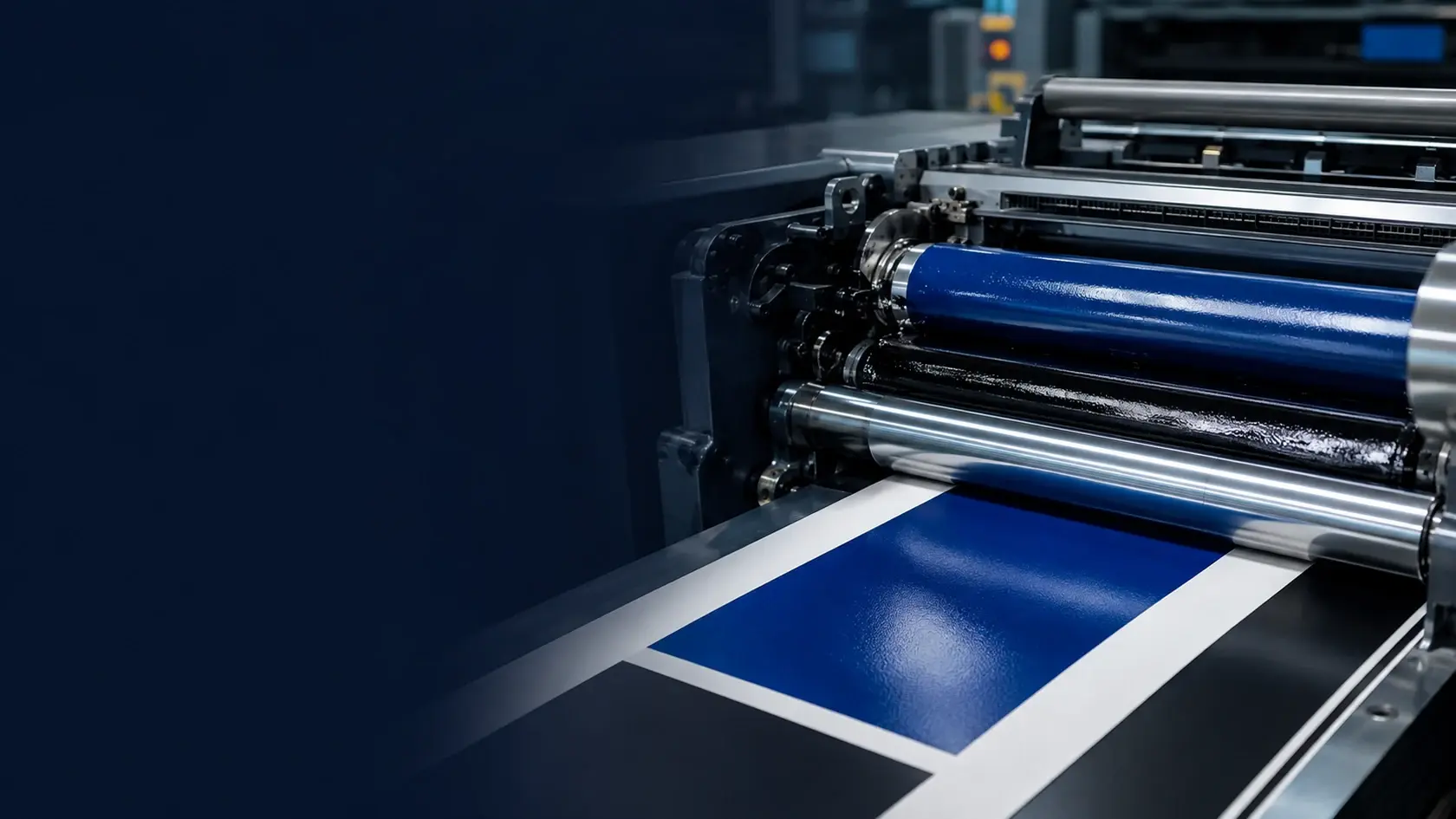
Printing and offset inks

Hydrocarbon resins for printing and offset inks

Piroplast C9 resins for non-food printing and offset inks. Compatibility, colour and softening point are verified before use.

Offset inksNon-food systemsImpression control
Main candidates10–30 / 30–60Colour selection
Critical phaseInk transferOn the actual ink-substrate pair
Colour of raw materialsGardner 5–11By the grade chosen.
BorderConsider the colour of the resinCheck the odour of the print.

Role in formulation

How to evaluate resin in a printing-ink binder

The solubility and viscosity of the semi-finished product do not guarantee the transfer, setting and durability of the print.

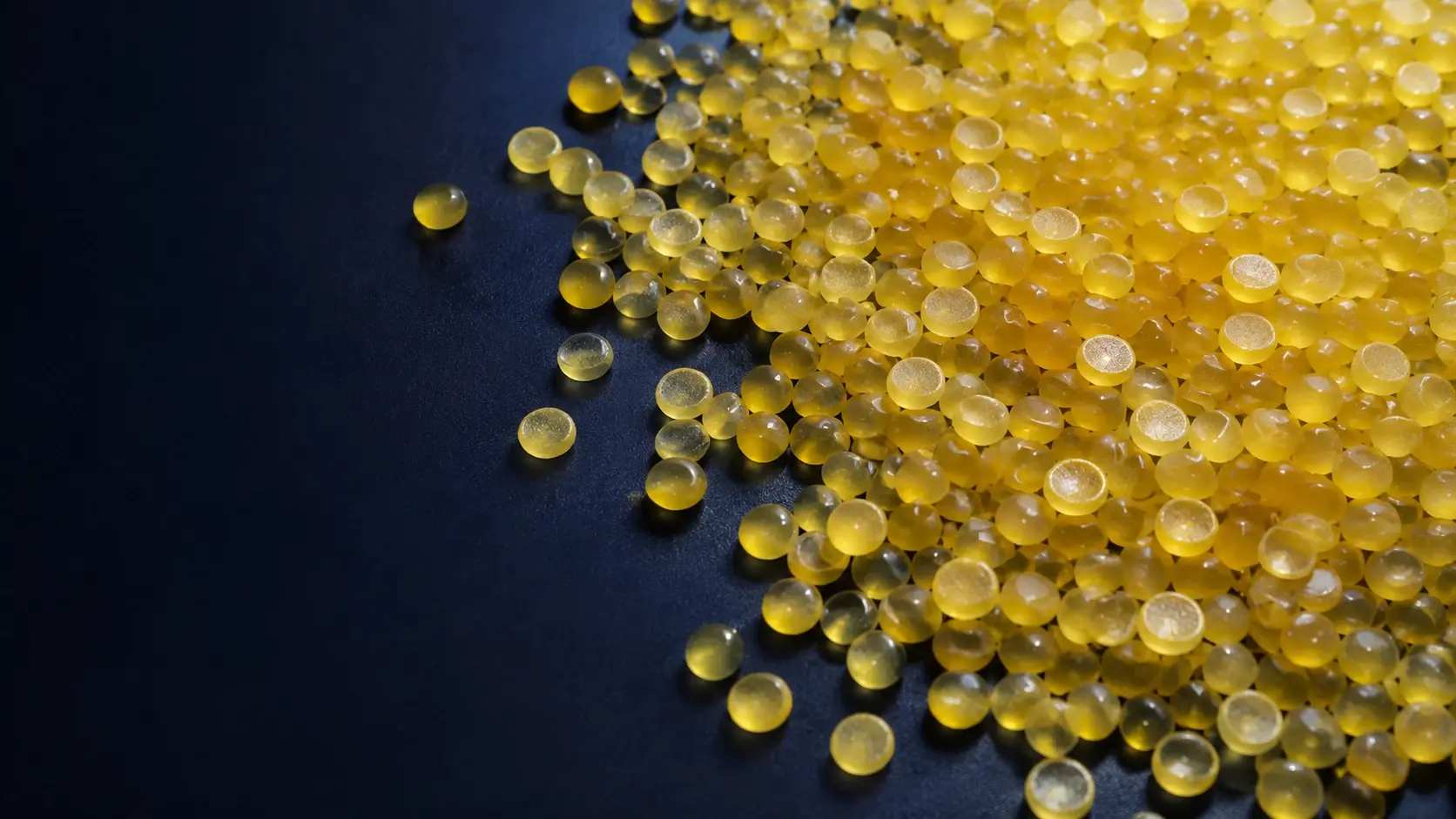
Raw materials for direction: Printing and offset inks
Illustration of raw materials. The actual appearance and values are confirmed by the certificate of analysis.

Binder component for technical printing inks

Piroplast-2K 10–30 and 30–60 are considered for printing and offset inks if their actual colour and odour are acceptable. The selection takes into account oils, solvents, pigment, rheology and equipment; food contact and lamination systems are not automatically confirmed applications.

  • specify the method of printing and the purpose of the print;
  • record the binder, oils, solvents and pigment;
  • specify the permissible colour and odor requirements;
  • Check the transfer and fixation on the standard material.
Production applications

Resin test points

For manufacturers of offset and other technical printing inks and binders.

01 · Offset

Offset printing inks

The candidate is checked in a ready binder and then on a laboratory or production print trial.

In the test: rheology, rolling, transfer, setting and washing
02 Pigment

Dispersion and colour

The effect of the resin is evaluated at a specific pigment and the required optical density.

Test: dispersion, colour tone, gloss and stability
03 · Impression

Strength and resilience

The setting rate is associated with the substrate, paint layer and drying process.

In the test: setting time, abrasion, smudging and adhesion
04 · Binding

Intermediate production

Resin is qualified for dissolution, filtration and storage of the binder part.

In the test: dissolution temperature, homogeneity, viscosity and storage

Primary list

What brands of Piroplast-2K compare

For the primary comparison - brands 10-30 and 30-60. The choice depends on the type of coatings, oils, solvents and the permissible effect on the colour of the print.

Monitoring

Binding and finished printing ink tests

First, the semi-finished product is checked, then the paint and impression; each stage has its own criteria.

PhaseWhat to measureComparison condition
DissolutionTemperature, time, transparency of the mixtureIn your system of oils and solvents
binderViscosity, colour, filtration, storageWith the same non-volatile content
InkRheology, dispersion, stabilitySelected pigment.
PrintingTack, transfer and settingOn standard equipment.
SettingTime, wash-off resistance, smudgingOn the target sealed material
impressionColour, gloss, abrasion, adhesionAfter the aging.

Actual Gardner resins can affect lighter shades. Evaluate the finished paint and impression, and not the granule separately.

Qualification

How to qualify resin for offset paint

The test must repeat the manufacturing method of preparation and the actual printing.

01

System details

Printing method, binder, oils, solvents, pigment and substrate.

02

Verify the batch

Colour, softening and documentation for the selected Piroplast.

03

Prepare the paint

Compare the control and trial at equal non-volatile content and rheology.

04

Print the test

Evaluate transfer, setting, durability and a pilot batch.

Boundaries of application

When not to test Piroplast in printing inks

  • For water-white, colourless and very light systems with a rigid colour limit.
  • For food contact or lamination without separate regulatory and formulation qualifications.
  • If minimal odour is critical but the finished print will not be tested.
  • If you want to make a decision on the viscosity of the binder without a printed test on the target material.

Request and delivery

What to send for accurate selection

A technical brief lets us discuss a suitable batch and test programme, not an abstract raw-material price.

Technical brief

  1. Method of printing and purpose of products.
  2. Binder composition, oils and solvents.
  3. Pigment and allowable influence on colour.
  4. Rheology, setting and durability criteria.
  5. Volume, documents and region.

Commercial conditions

Sample
Agreed after review of the technical brief
Documents
Batch CoA and shipping documents
Packaging
Confirmed for the available batch before invoicing
Delivery
Across Russia and the CIS; lead time and cost are calculated individually

Documentation, sample and price

Select a resin for printing ink

Send the binder composition and print criteria. We will identify a suitable range, batch and sample for laboratory preparation.

Send a technical request
Selection and calculation of deliverySo the quotation refers to the product being tested and the available batch.

Related tasks

Go to a close technology cluster or go back to the overall application map.

FAQ

Technical and purchasing questions

Purpose of resins, selection criteria and preparation of samples.

Which resin is suitable for offset paint?

For the primary test, Piroplast-2K 10–30 and 30-60 are considered. The choice depends on colour, binder, rheology and imprint requirements.

Will the resin affect the colour of the paint?

It can affect, especially in light shades. You need an actual Gardner batch and a comparison of finished paint and print.

Can the product be used in food packaging?

Food contact is not automatically approved. The finished system requires a separate regulatory, migration and formulation assessment.

Is the resin suitable for lamination?

Without a separate qualification, no. Lamination and adhesive systems have other requirements, including odor and residues.

What tests are most important?

Dissolution and rheology of the binder, dispersion, transfer, fixation, wash-off resistance, abrasion and adhesion of the impression.

What information is needed in the enquiry?

Printing method, binder, oils, solvents, pigment, carrier, print requirements, volume and region.