Resins for protective coatings

Industrial protective coatings

Resins for protective coatings for metal, concrete and facades

Resins for primers, thick-film and industrial protective coatings. Selection depends on the binder, solvent system and target performance.

Metal and concreteConcrete and facadesIndustrial systems
Primary substratesMetal/concreteAlso mineral surfaces
First candidateSPS 5/9Parameters by available batch
Key controlsadhesionPlus drying and resistance.
QualificationThe whole systemPrimer, layer, base, environment

Role in formulation

How coating use affects selection

The same resin behaves differently in the primer, topcoat layer, impregnation and road paint.

Raw materials for direction: Industrial protective coatings
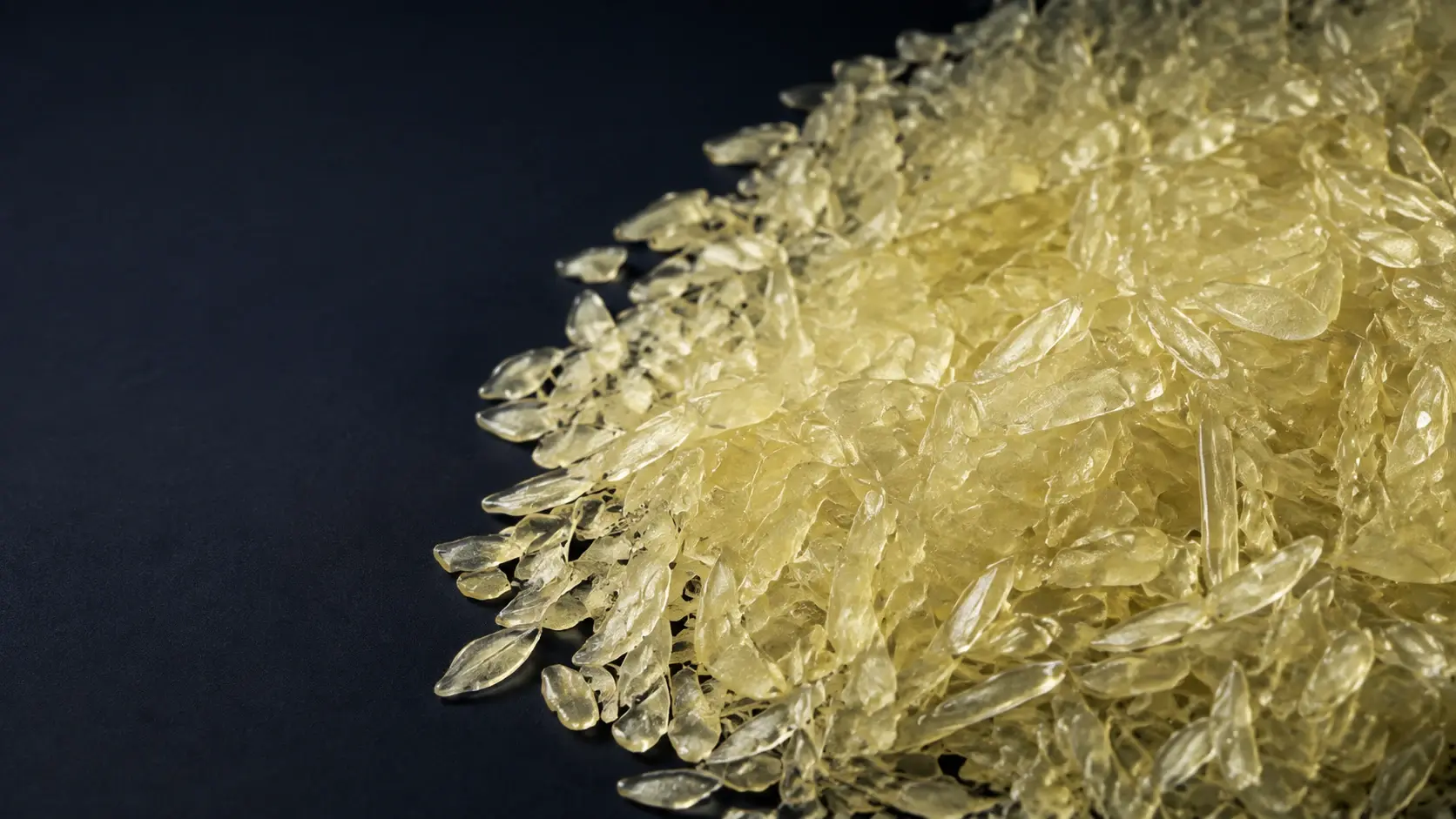
Illustration of raw materials. The actual appearance and values are confirmed by the certificate of analysis.

Film-forming component for technical coatings

SPS 5/9 is considered for protective coatings for metal, container and marine paints, primers, facades, concrete, road markings and aerosol systems. Piroplast-2K is connected where its colour and odour are acceptable, and functions are confirmed by a formulation test.

  • determine the base, preparation and thickness of the dry film;
  • record the binder, pigments and solvent system;
  • Determine the climatic or chemical load;
  • Check the availability and documentation for a particular batch.
Production applications

Resin test points

For primers, marine, facade and other industrial coatings take into account different operating conditions.

01 · Metal

Primers and anti-corrosion systems

The resin is checked in the full composition of the coating and on the accepted surface preparation.

In the test: adhesion, drying, solidity, resistance and storage
02 · Operation

Marine and container coatings

The grade is checked for a specific multilayer system, thickness and exposure conditions.

In the test: layer compatibility, water, chemical environment, impact and aging
03 · Mineral bases

Facade and concrete coverings

It is important to evaluate base absorption, flow, adhesion and change in appearance.

In the test: application, flow, water absorption, adhesion and atmospheric aging
04 · Special materials

Thick, wear-resistant and aerosol systems

Selection depends on the method of application, rheology, thickness and drying requirements.

Test: spray or flow, intercoat adhesion, hardness and wear

Primary list

What products to consider for a protective system

The initial list is formed by the purpose of the layer, colour and form of delivery.

Monitoring

Protective-coating test criteria

The test set is determined by the technical conditions of the finished material and the operating environment.

PhaseWhat to measureComparison condition
PreparationBase, roughness, cleaningIdentical for control and trial
ApplicationViscosity, method, flow rate, thicknessIn a wet and dry layer
DryingTack-free time, recoat interval and curingAt target temperature and humidity
MechanicsAdhesion, impact, bending, hardness, wearBy enterprise methods
ResilienceWater, salt, chemical or atmospheric environmentFor the coating requirements
StorageStability, precipitation, viscosity growthIn containers and accelerated test

Resin does not create protection separately from pigments, fillers, surface preparation and application mode. Compare the finished system.

Qualification

How to go from resin sample to coating test

Specify the base, surface preparation, composition of layers and operating conditions of the coating.

01

System details

Base, preparation, primer, topcoat, thickness and operating conditions.

02

Material check

Binder, solvents, pigments and actual resin documentation.

03

Set samples.

Prepare and apply the control and trial under identical conditions.

04

Check the cycle

Evaluate drying, mechanical properties, durability, storage and pilot production.

Boundaries of application

When the general recommendation on resin will be insufficient

  • If the base is unknown, surface preparation and coating thickness.
  • If it is necessary to guarantee marine, chemical or atmospheric resistance only by the name of the resin.
  • For transparent and very light decorative systems without a valid colour window.
  • If the characteristics of the SPS 5/9 are taken from an old document and the available batch is not confirmed.

Request and delivery

What to send for accurate selection

A technical brief lets us discuss a suitable batch and test programme, not an abstract raw-material price.

Technical brief

  1. Base and surface preparation.
  2. Type of coating, number of layers and dry thickness.
  3. Binder, solvents and current resin.
  4. Conditions of application and required resistance.
  5. Volume, documents and region of delivery.

Commercial conditions

Sample
Agreed after review of the technical brief
Documents
Batch CoA and shipping documents
Packaging
Confirmed for the available batch before invoicing
Delivery
Across Russia and the CIS; lead time and cost are calculated individually

Documentation, sample and price

Choose a resin for a protective coating

Send the coating architecture and operating conditions. Clarify the applicable products, certificate of analysis and sample for comparison.

Send a technical request
Selection and calculation of deliverySo the quotation refers to the product being tested and the available batch.

Related tasks

Go to a close technology cluster or go back to the overall application map.

FAQ

Technical and purchasing questions

Purpose of resins, selection criteria and preparation of samples.

Which resin is suitable for protective coatings?

SPS 5/9 is the main candidate for initial consideration. Piroplast-2K 10–30, 30–60 and 60–130 are compared where their colour and properties are acceptable.

Is it possible to use 5/9 in marine paint?

SPS 5/9 is considered as a component of marine coatings. Suitability is confirmed by testing the entire system, taking into account the base, thickness, compatibility of layers and operating conditions.

Is the product suitable for concrete?

For coatings and impregnations of concrete, an SPS 5/9 or a finished NPS solution can be considered, but penetration, flow, appearance and water absorption must be checked.

What tests are needed for metal?

Minimally check application, drying, thickness, adhesion and stability. Resistance to water, salt, chemistry and atmosphere determines the purpose of the coating.

Can the coating service life be guaranteed?

No, not the raw materials separately. The term depends on the preparation of the surface, the entire formulation, application, thickness and environment of operation.

What information is needed for selection?

Describe the base, preparation, coating type and thickness, binder, solvents, operating conditions, volume and region.