Petroleum resin solution for impregnating compounds

Impregnating compounds

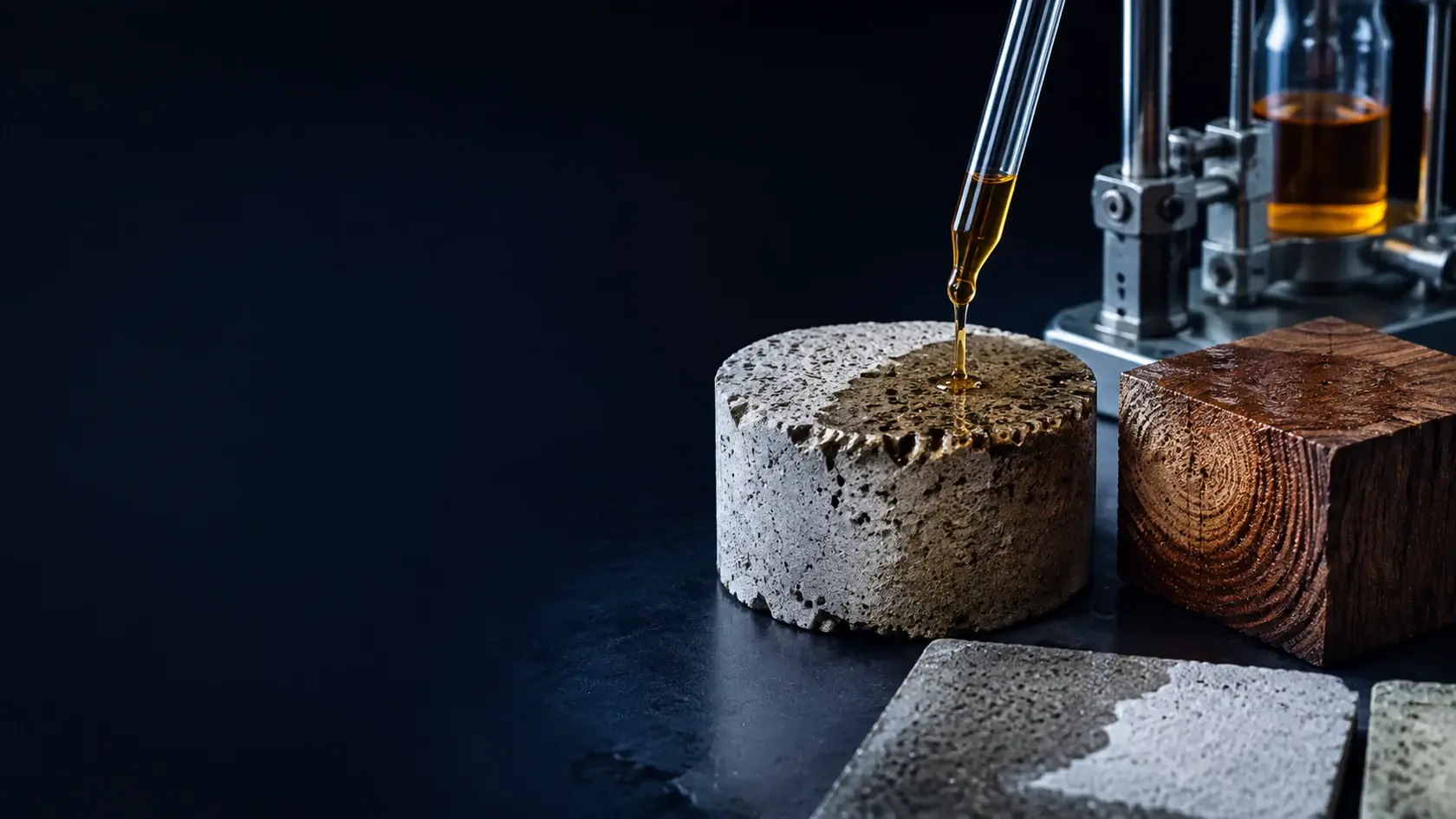
Resins for impregnation of wood, concrete and plaster

Film-forming resin solution for impregnating wood, concrete and plaster. Suitability depends on the substrate and solvent system.

WoodConcrete and plasterFinished NPS solution
Main productNPS solutionParameters by batch
A solid alternativeSPS 5/9If there is a dissolution stage
SubstratesWood/concreteAlso plaster
Key testAbsorptionPlus drying and appearance

Role in formulation

What determines the work of impregnation on a porous basis

The same liquid composition behaves differently on wood, dense concrete and porous plaster.

Raw materials for direction: Impregnation compounds
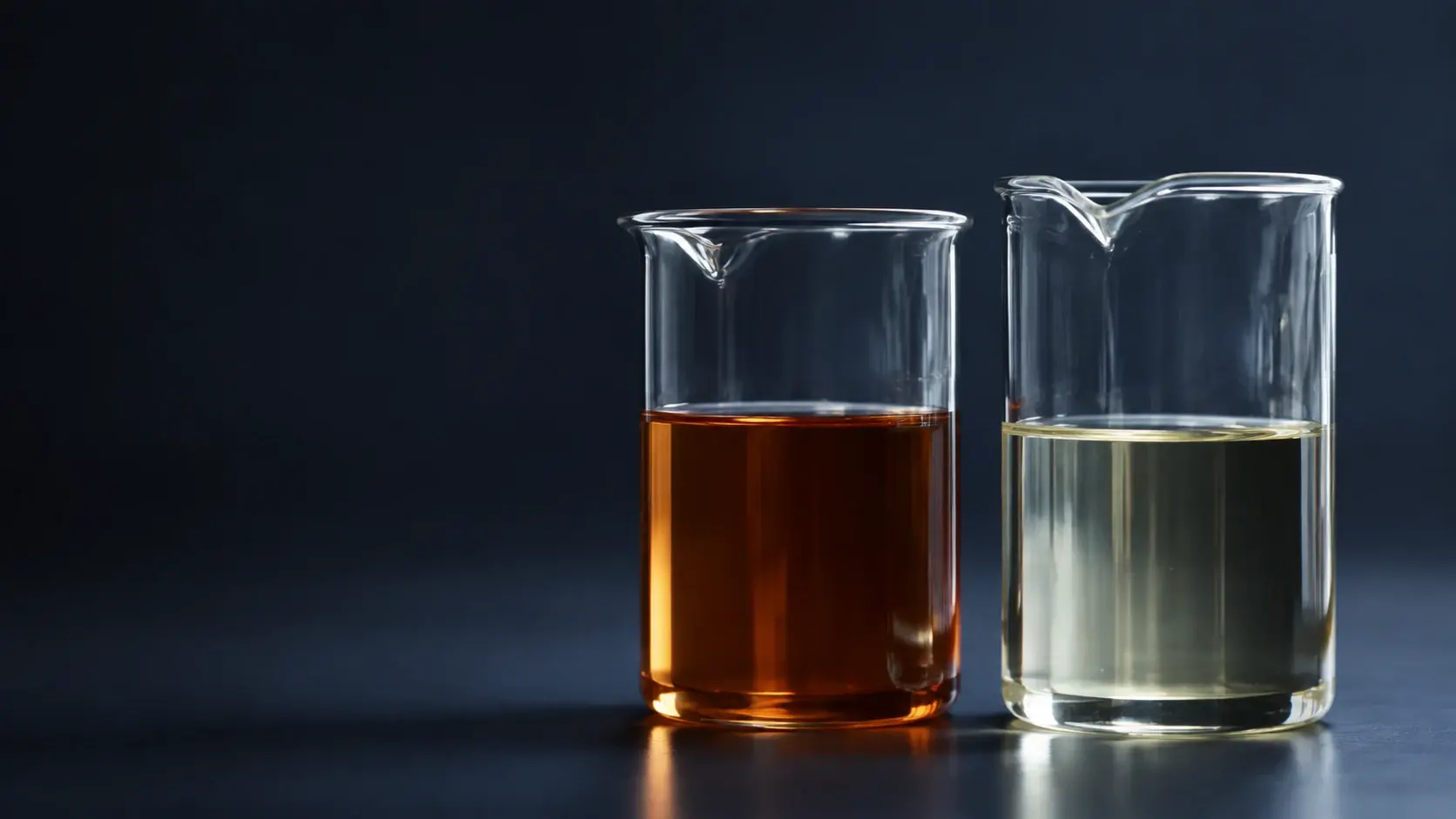
Illustration of raw materials. The actual appearance and values are confirmed by the certificate of analysis.

Film-forming semi-finished product for mixing production

An HCR solution is convenient for plants that do not want a separate solid-resin dissolution step. SPS 5/9 may be considered when the manufacturer prepares the solution in-house. In both cases, confirm solvent, non-volatile content and compatibility, then test on the actual substrate.

  • specify the type, humidity and porosity of the base;
  • Check the solvent and non-volatile content of the semi-finished product;
  • specify the method of application and target application rate;
  • Evaluate penetration, drying, colour and water absorption.
Production applications

Resin test points

Raw materials for producers of impregnation of wood, concrete and mineral bases.

01 · Wood

Wood-impregnation compounds

The solution is checked on the selected wood species, humidity and surface preparation.

In the test: absorption, uniformity, drying, colour, odour and water
02 · Concrete

Impregnation of concrete bases

Take into account the porosity and humidity of concrete, the depth of penetration and the admissibility of the surface film for the selected type of impregnation.

In the test: flow, penetration, strengthening, appearance and water absorption
03 · Plaster

Mineral and porous surfaces

The resin is tested on the real composition of the plaster and the accepted method of application.

In the test: absorption, spotting, adhesion of subsequent layers and drying
04 · Production

Blending without separate dissolution

The finished solution can shorten the operation if its solvent and concentration fit the material balance.

In the test: dosing, mixing, filtration, storage and dry matter cost

Primary list

NPS solution and copolymer resin

Compare the composition and purpose of products. SPS 5/9 and an HCR solution may differ in resin base, not only in supply form.

Monitoring

What to test in the impregnation and substrate

Compare on actual substrates with controlled preparation and moisture.

PhaseWhat to measureComparison condition
Semi-finishedSolvent, non-volatile, viscosity, homogeneityBatch CoA
ApplicationMethod, consumption, wettingWith identical preparation
PenetrationDepth and uniformityBy cut or accepted method
DryingTack-free time, odour after conditioning, tackIn a given climate.
Surface.Colour, gloss, mottling, filmMaterial requirements
The effectWater absorption, strengthening, subsequent layersOn the finished substrate

For a resin solution, compare cost by contained resin mass, including solvent, delivery and the eliminated dissolution step.

Qualification

Selecting an impregnation intermediate

First, the liquid system is agreed, then a test series is run on the actual substrate.

01

Describe the basis

Material, porosity, humidity, preparation and method of application.

02

Verify solution

Solvent, non-volatile substances, viscosity and certificate of analysis for the batch.

03

Application test

The control and trial formulations are compared by the same consumption and exposure.

04

Check the effect

Evaluate penetration, drying, appearance, water resistance and a pilot batch.

Boundaries of application

When the resin solution is unsuitable

  • If its solvent base is incompatible with the formulation or production requirements.
  • If the substrate does not permit colour change, gloss or a surface film.
  • If the price is compared with solid resin without counting for non-volatile substances.
  • If it is not possible to check the real base, humidity, flow rate and drying.

Request and delivery

What to send for accurate selection

A technical brief lets us discuss a suitable batch and test programme, not an abstract raw-material price.

Technical brief

  1. Base, porosity, humidity and preparation.
  2. The purpose of impregnation and subsequent coatings.
  3. Current solvent and desired non-volatile content.
  4. Consumption, application, drying and appearance.
  5. Volume, packaging and delivery region.

Commercial conditions

Sample
Agreed after review of the technical brief
Documents
Batch CoA and shipping documents
Packaging
Confirmed for the available batch before invoicing
Delivery
Across Russia and the CIS; lead time and cost are calculated individually

Documentation, sample and price

Select raw materials for impregnation

Send the substrate, solvent system and process criteria. We will confirm the product form, available batch and sample for an application test.

Send a technical request
Selection and calculation of deliverySo the quotation refers to the product being tested and the available batch.

Related tasks

Go to a close technology cluster or go back to the overall application map.

FAQ

Technical and purchasing questions

Purpose of resins, selection criteria and preparation of samples.

Which resin is suitable for impregnation of concrete?

For the primary test, a solution of hydrocarbon resin or SPS 5/9 is considered. The choice depends on the solvent, porosity, flow rate and the type of surface required.

Is it possible to use NPS solution for wood?

Yes, wood is included in confirmed directions, but the composition is tested on a specific rock and humidity for absorption, drying, colour and water resistance.

Which is more profitable: solution or solid resin?

Compare the cost per mass of non-volatile resin, solvent, delivery, energy costs, losses and self-dissolution time.

What solvent is contained in the solution of NPS?

The composition of the solvent should be obtained in the technical description of the selected product before calculating the concentration and dosage.

Does the film form on concrete?

It depends on concentration, flow and porosity. Check coating formation, penetration and appearance.

What to send for selection?

Base type, humidity, application method, solvents, non-volatile content, flow rate, criteria, volume and region.