Resins for road-marking materials

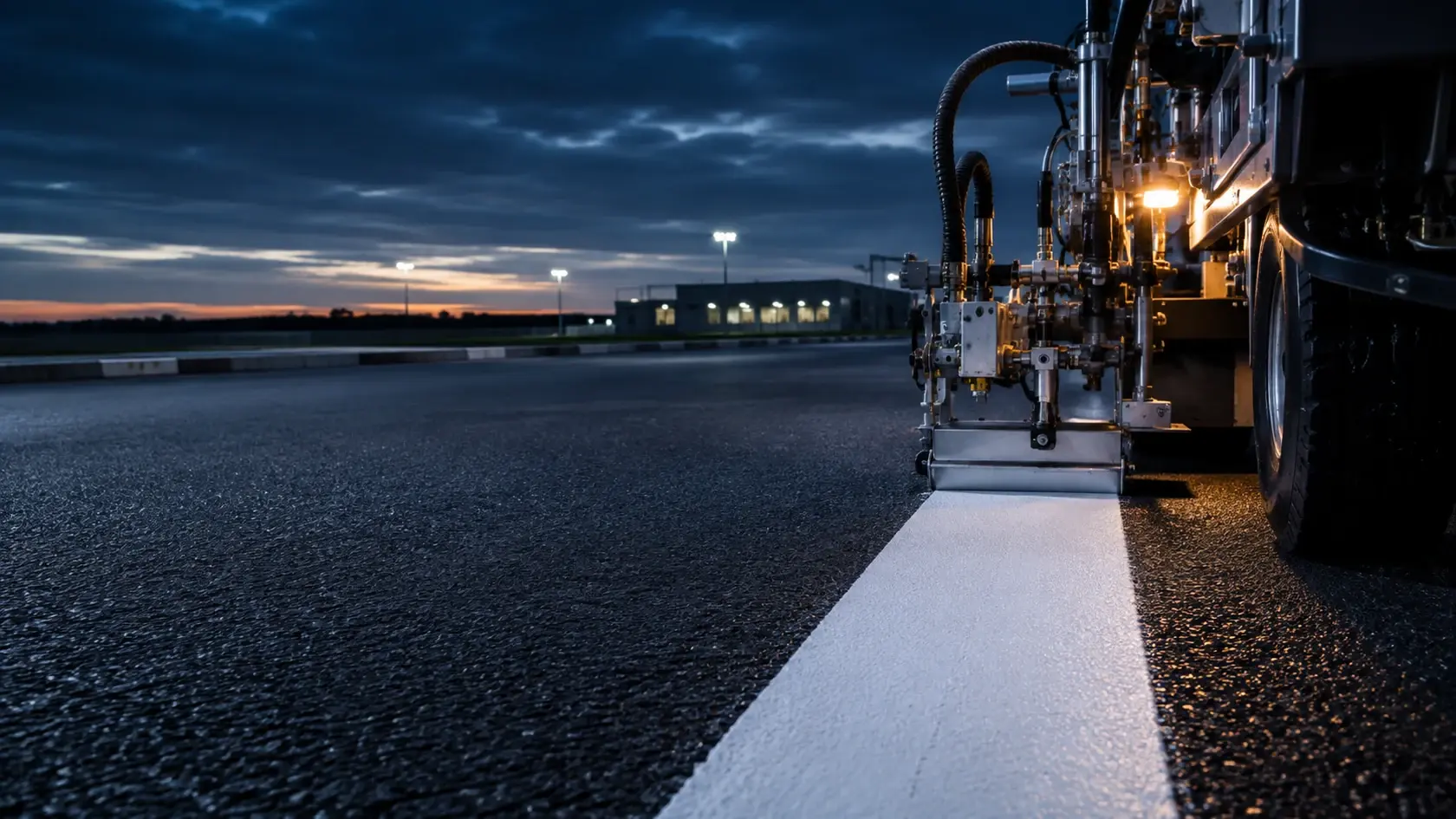
Road marking

Hydrocarbon resins for road markings and road paints

Resin selection for road-marking paints and thermoplastic formulations, based on binder compatibility and process conditions.

Road paintsOpaque systemsField application test
Formulation typePaint/thermoplasticThe technology is specified by the buyer
CandidatesBy type of materialColour and application mode
Critical outcomeWear of the layerPlus application and visibility.
BorderPaint or thermoplasticCompatibility is mandatory

Role in formulation

What is important for marking material

For marking, the visibility of the layer, the opening time of movement, adhesion to the coating and wear resistance are important.

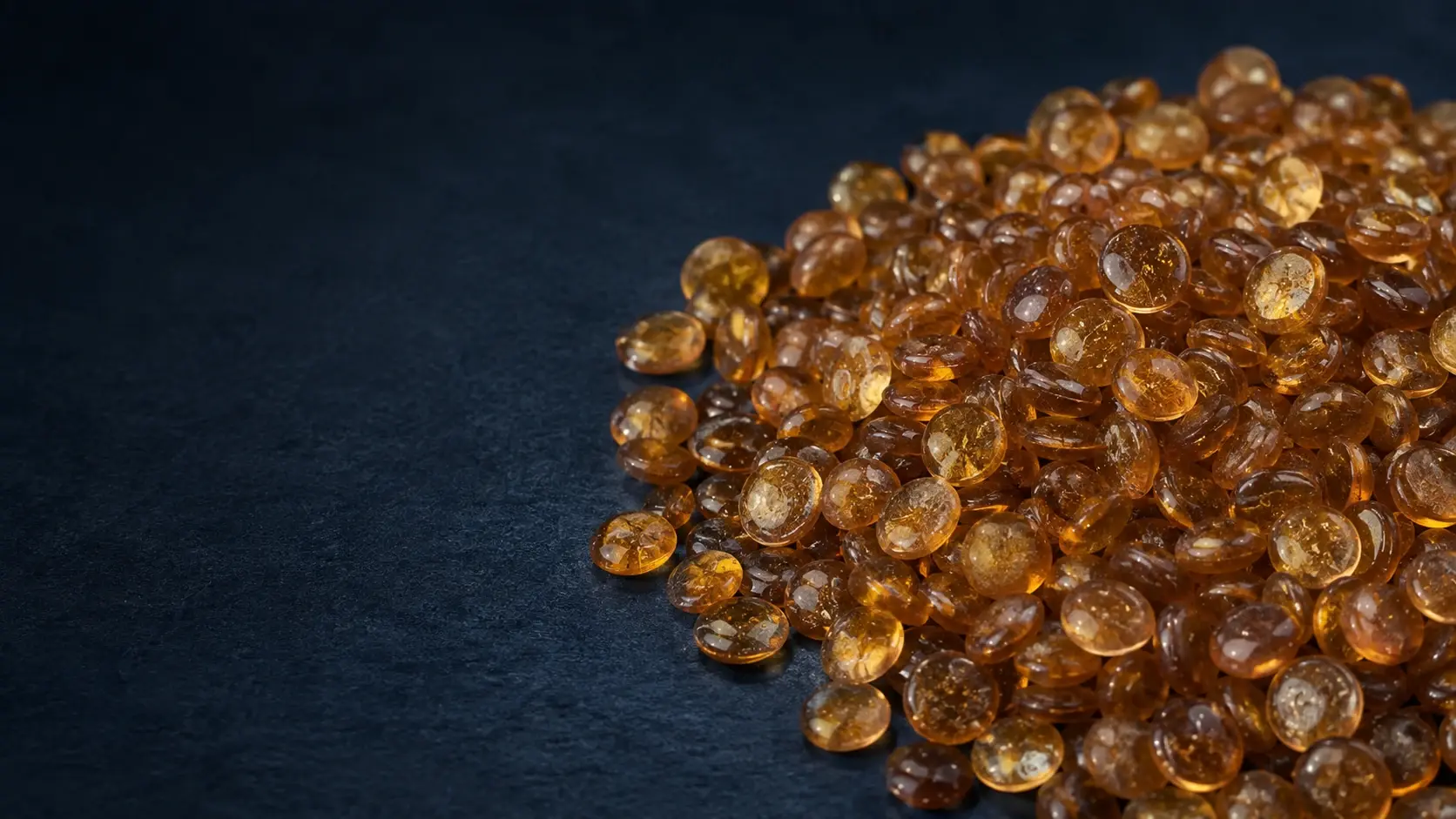
Raw materials for direction: Road markings
Illustration of raw materials. The actual appearance and values are confirmed by the certificate of analysis.

Binder for road-marking formulation

For marking, Piroplast-2K 10–30 and SPS 5/9 are separately evaluated, taking into account the type of material and its colour. For dark resins, additional justification is required: the use in road surfaces does not in itself confirm the suitability for white or yellow markings.

  • specify: coatings, thermoplastic or other material;
  • record the binder, solvents, fillers and pigments;
  • set the temperature, equipment and traffic opening time;
  • Evaluate colour, visibility, wear and condition after storage.
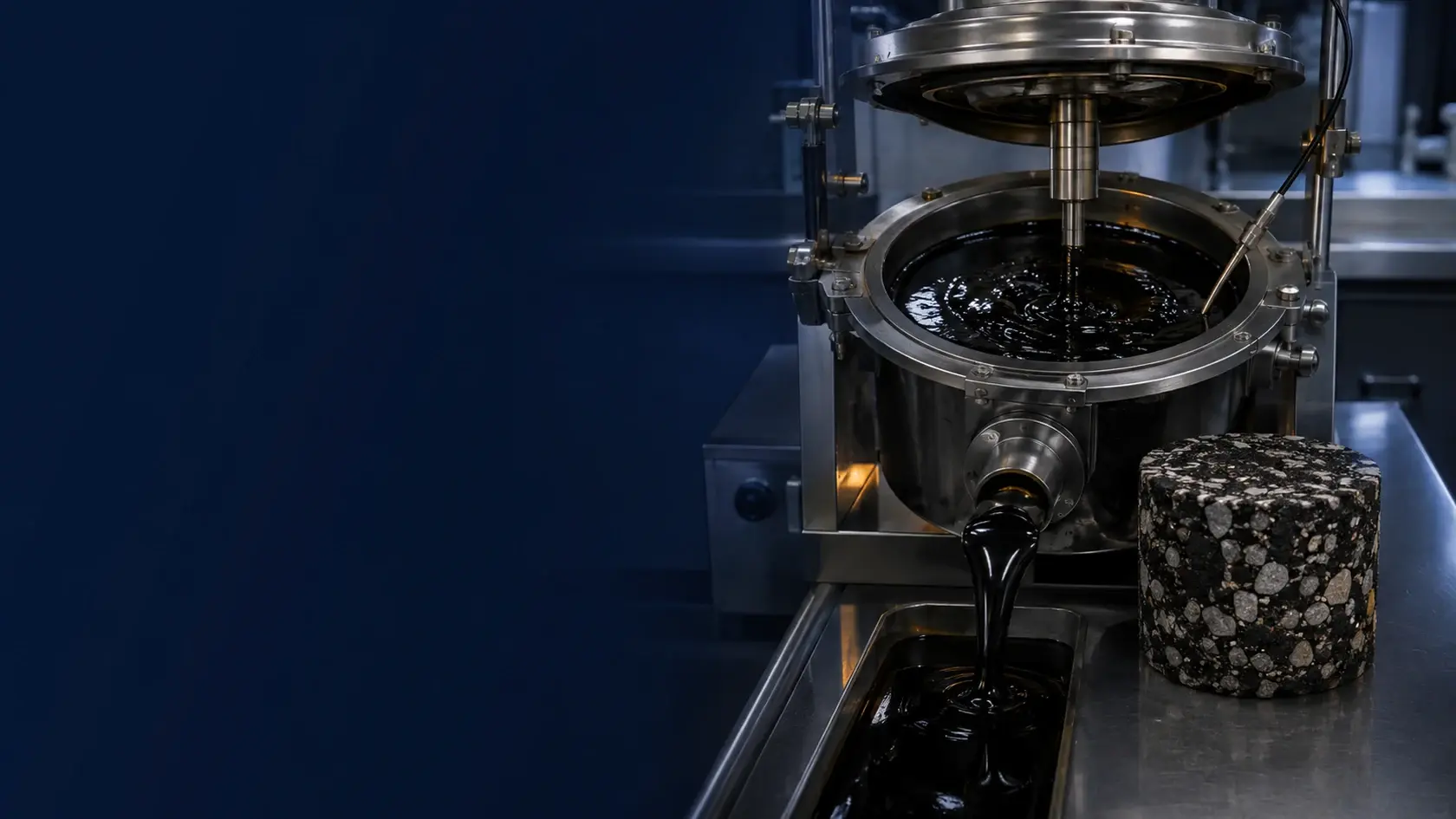
Production applications

Resin test points

Solvent-borne paints and hot-applied thermoplastics are tested according to different modes of preparation and application.

01 Paint

Soluble road paints

The resin is checked in a system of solvents and pigments with a standard method of application.

In the test: viscosity, application, drying, adhesion, colour and storage
02 · Hot system

Thermoplastic marking materials

Check the viscosity of the melt, compatibility, stability during working heating and colour after temperature exposure.

In the test: melting, uniformity, application, cooling and fragility
03 · Layer

Marking formation and visibility

Evaluate the colour and brightness of the finished layer, and for marking with glass beads - retroreflection. The opacity does not exclude the influence of the dark binder.

In the test: colour, brightness, retroreflection, distribution of glass beads and defects
04 · Road

Wear in service

The laboratory selects the composition, but the final decision requires a pilot application.

In the test: adhesion, abrasion, pollution, water and seasonal behavior

Primary list

What products to consider for road material

Below are products for discussion with the technologist. For each grade, it is necessary to confirm the suitability for the selected type of marking.

Monitoring

Road markings verification programme

A set of methods is tied to the TU of the finished material and the accepted application technology.

PhaseWhat to measureComparison condition
PreparationMelting or dissolution, uniformityAt standard process temperature
ApplicationViscosity, dosing, spreadingOn real equipment.
FormationDrying or cooling, defects of the layerUntil load tolerance
AppearanceColour, brightness, surface, retroreflectivityAfter full stabilisation
MechanicsAdhesion, fragility, abrasionOn the accepted basis
Field.Wear, pollution, water, seasonalityAt the trial site.

For thermoplastic, stability during working heating, melt viscosity and colour change are checked. After laboratory selection, tests are carried out on the field trial.

Qualification

How to qualify resin for marking material

The laboratory test is needed to the field trial, and the field trial - to serial procurement.

01

Define the technology

Material type, equipment, base, temperature and opening time of movement.

02

Choose a batch

Colour, softening and documented resin properties to compare with the existing raw materials.

03

Make a lab.

Check preparation, application, layer and accelerated indicators.

04

Run a field trial

Confirm equipment operation, visibility and actual wear.

Boundaries of application

Restrictions on selection of marking resin

  • If the material’s technology – hot-applied thermoplastic or paint system – is specified only by a generic word with no composition or temperature.
  • If a very light or transparent binder is required, and the colour of the batch is not allowed by pigmentation.
  • If the characteristic odor of raw materials is unacceptable and there is no test of the finished material.
  • If the purchase decision is planned without laboratory application and field trial.

Request and delivery

What to send for accurate selection

A technical brief lets us discuss a suitable batch and test programme, not an abstract raw-material price.

Technical brief

  1. Type of marking material and current TU.
  2. Current binder, resin and their documents.
  3. Solvents or melt temperature.
  4. Pigments, fillers and method of application.
  5. Volume, season, region and delivery schedule.

Commercial conditions

Sample
Agreed after review of the technical brief
Documents
Batch CoA and shipping documents
Packaging
Confirmed for the available batch before invoicing
Delivery
Across Russia and the CIS; lead time and cost are calculated individually

Documentation, sample and price

Select a resin for road markings

Send the type of material, temperature or solvents and layer criteria. We will select a grade for the laboratory and field trial.

Send a technical request
Selection and calculation of deliverySo the quotation refers to the product being tested and the available batch.

Related tasks

Go to a close technology cluster or go back to the overall application map.

FAQ

Technical and purchasing questions

Purpose of resins, selection criteria and preparation of samples.

Which resin is suitable for road markings?

For the initial evaluation, Piroplast-2K 10–30 and SPS 5/9 are considered. For 60-130 and indene-coumarone resin, separate data are needed to confirm the suitability for marking.

Is Piroplast-2K suitable for thermoplastic?

Suitability must be assessed in the actual formulation, at the actual temperature and by testing. This is neither a universal hot-melt resin nor an automatic replacement for the current binder.

How to check the effect of resin colour?

Evaluate the finished pigmented layer at normal thickness, as well as the colour change after storage and operation.

Is a lab test enough?

No. After the laboratory, a pilot application is needed to test equipment, form a layer and actually wear.

What batch parameters are needed?

Actual colour, softening and other indicators on the documentation for the selected product; the requirements are specified by the marking material technologist.

What to send for selection?

System type, binder composition, solvents or temperature, pigments and fillers, method of application, volume and region.