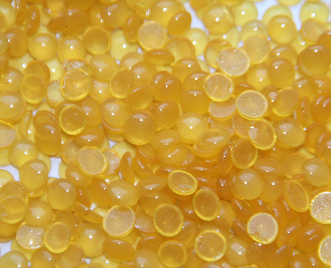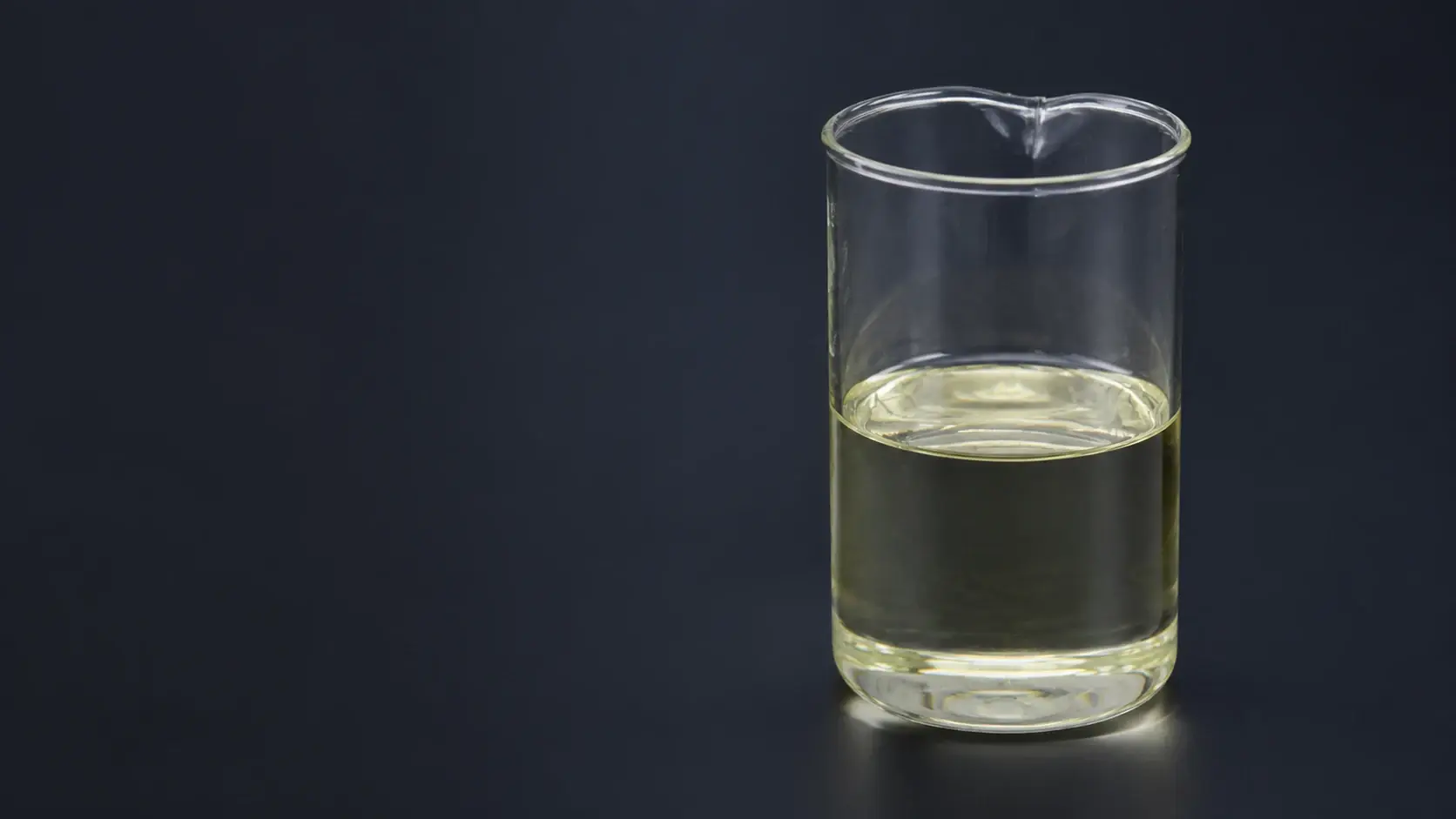
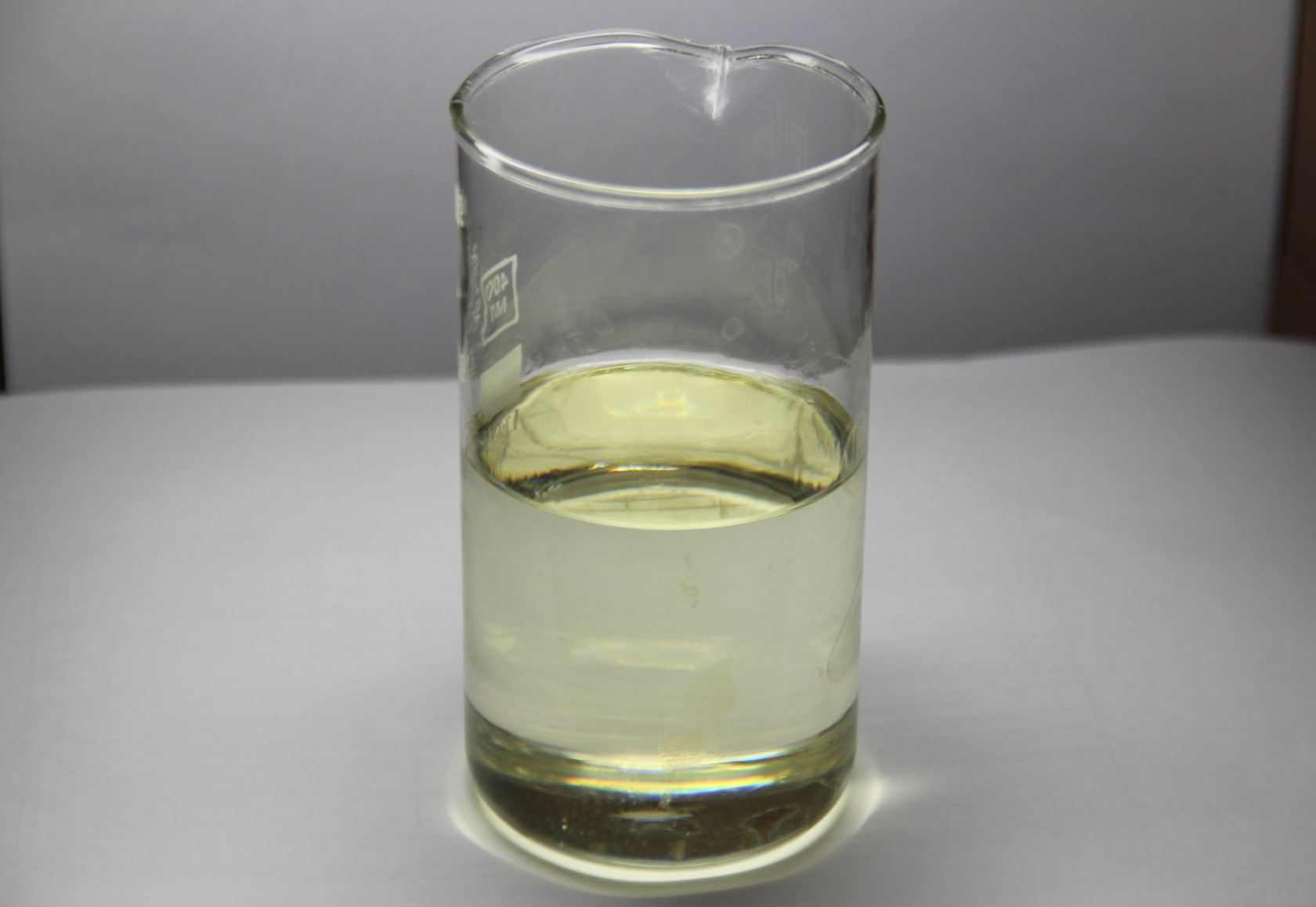
Oil Solvent - the appearance of the product

Coatings solvent

Petroleum solvent

Industrial solvent for producing and adjusting the viscosity of varnishes, paints and enamels.

For coatingsIndustrial raw materialsBatch CoA
AppointmentSolventFor the production and use of coatings
SystemsVarnishes/paintsAlso enamels
SelectionBy binderNot by solvent name.
SafetyDocumentationPrior to admission to production

On the product

What is important when choosing an oil solvent

The solvent affects not only viscosity: the dissolution of the binder, application, drying, the appearance of the film and the safety of the process depend on it.

Product sample Solvent petroleum
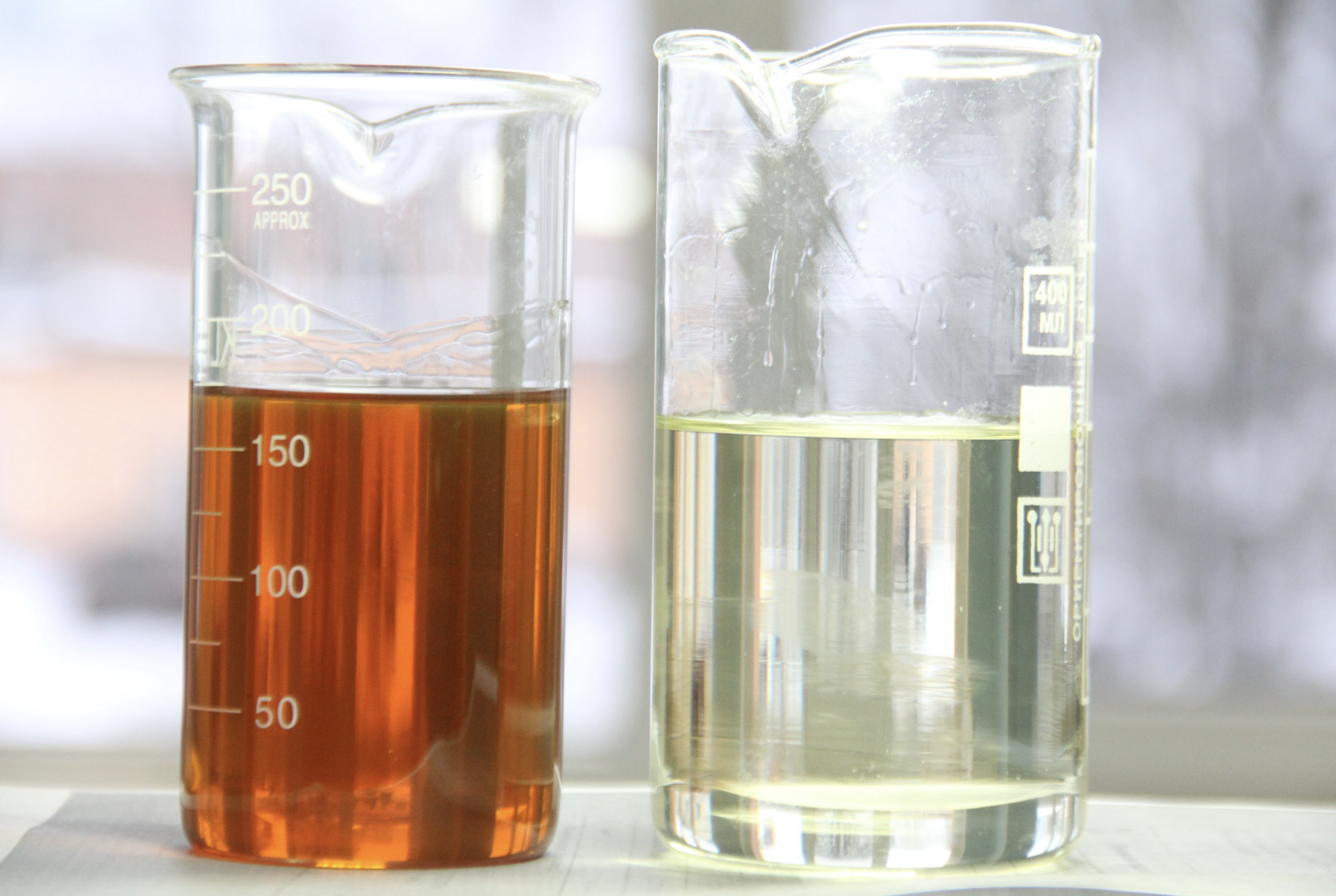
Product illustration. The actual appearance and values are confirmed by the certificate of analysis.

Solvent for preparing and thinning coatings

Petroleum Solvent is used in the production of varnishes, paints and enamels, as well as to bring the material to application viscosity within the approved formulation. One trade name is not enough: before use, you need to compare the product with the binder, current solvent, equipment, ventilation and requirements for the finished coating.

  • compare the product with the current solvent system;
  • check dissolution, turbidity and stability;
  • Evaluate the application, drying and defects of the film;
  • We work on documentation and safe-handling documentation.
Applications

For what production tasks is the product suitable

For preparing and thinning industrial coatings in line with the approved formulation and plant procedure.

01 · Production

Preparing varnishes and paints

Add solvent to the liquid phase only after compatibility testing with resins, additives, pigments and fillers.

In the test: dissolution rate, transparency or homogeneity, viscosity and storage.
02 · Enamels

Adjustment of application viscosity

The solvent may be used to adjust enamel within the approved process and application requirements.

Test: rheology, spraying, levelling, orange peel, drying and gloss.
03 · Equipment

Industrial cleaning procedure

The plant determines suitability for cleaning based on equipment-material compatibility and local procedures.

In the test: efficiency, residue, impact on seals and safe disposal.
04 · Development

Replacement of current solvent

When evaluating an alternative, compare not only price but also distillation behaviour, consumption, drying cycle and film quality.

In the test: control formulation, the same application conditions and a full exposure cycle.

Selection

What data are needed to select a solvent

Proper selection starts with the binder and application process. Without these data, interchangeability cannot be confirmed.

binderAlkyd resin, resin or other base
Current solventName, TDS and working proportion
ApplicationSpraying, rolling, dipping or other
DryingTemperature, time and ventilation
MonitoringViscosity, film, odour and residue
SafetyProcedures, storage and PPE

Specification

Solvent characteristics to request

Technical description and documentation will be provided upon request. Clarify the designation of the solvent, GOST or TU and the parameters for the following indicators.

IndicatorRange/statusWhat to verify
Product identificationBatch CoAName, regulatory document and manufacturer
Appearance and colourBatch CoA.Actual result and method of control
Fractional composition and evaporabilityBatch CoAIndicators affecting application and drying
DensityBatch CoAMethod, temperature and actual value
Water and impuritiesBatch CoAInspection results for the available batch
Flashpoint and storageOn accompanying documentationFlash-point method and safety data sheet requirements

Compare the fractional composition, density and flash point with the same measurement methods. Conditions of handling and storage are specified in the safety documentation.

Qualification

How to check the solvent in the current formulation

The test is carried out on a small scale, preserving the control sample with the current solvent.

01

Check documents

Get the certificate of analysis and data for safe handling before opening the sample.

02

Check for dissolution

Evaluate transparency or uniformity, sediment, clouding and compatibility.

03

Apply the coating

Compare viscosity, spraying, levelling, drying and film appearance.

04

Confirm the process

After laboratory testing, run a limited production batch under the plant procedure.

Boundaries of application

When not to purchase the solvent

  • If there are no relevant product documents and information for safe handling.
  • If compatibility with the binder is checked only visually immediately after mixing, without storage and application.
  • If a guaranteed replacement of the current solvent is required without a full cycle comparative test.
  • If the production has not confirmed the conditions of ventilation, storage, dosing and disposal.

Request and delivery

What to send to get an accurate answer

A technical brief reduces unnecessary correspondence and allows you to prepare a quotation for the applicable product.

Technical brief

  1. What kind of varnish, paint or enamel do you produce?
  2. Binding, current solvent and its documentation.
  3. Method of application and required working viscosity.
  4. Drying mode and critical coating properties.
  5. Volume, packaging, destination and document requirements.

Commercial conditions

Price
Upon request after technical clarification of the product, volume and destination
Documents
Batch CoA and shipping documents
Packaging
Packaging format and unit weight are agreed when ordering
Delivery
Across Russia and the CIS; lead time and cost are calculated individually

Documentation, sample and price

Request an oil solvent

Send the binder details, current solvent and application technology. We will clarify the documents and parameters of the available batch, then prepare a quotation.

Send a technical request
Selection and calculation of deliverySpecify the product, volume and destination - prepare a quotation and arrange a sample.

Alternatives

For a ready-to-use film-forming intermediate, consider an HCR solution; for in-house dissolution of solid resin, use Piroplast-2K 10–30.

FAQ

Selection, testing and supply issues

Characteristics, tests and conditions of order.

What is the use of petroleum Solvent?

For preparing and adjusting varnishes, paints and enamels within the approved industrial formulation and plant procedure.

Is it compatible with every binder?

No. Compatibility depends on the specific resin, additives and the entire solvent system. We need a lab test.

Is it possible to replace the current solvent one to one?

No. Compare the material balance, viscosity, application, drying, appearance and properties of the coating.

What characteristics are most important?

Exact designation and GOST/TU, fractional composition, density with measurement temperature, flash point and method, water and impurities. The handling conditions are checked by safety documentation.

Can the product be used to wash the equipment?

Only when permitted by plant procedures and after confirming equipment-material compatibility, handling and disposal requirements.

What do you need to calculate the delivery?

Report the application, binder, current solvent, document requirements, volume, packaging and destination.